

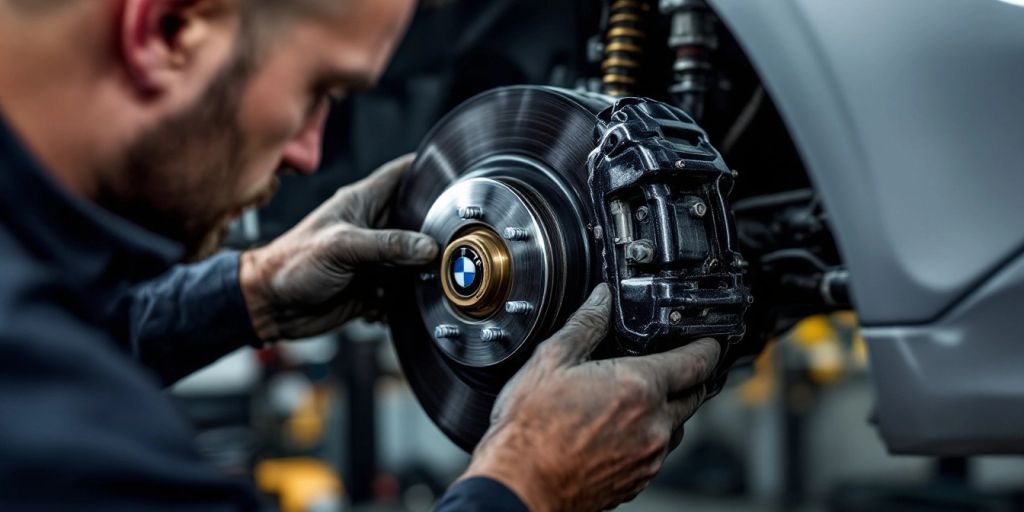
Expert BMW Brake Repair Near Me: Your Ultimate Guide to Quality Service
This article serves as a comprehensive guide to understanding and maintaining your BMW’s brake system. We will explore key components, common issues, and the importance of regular inspections. Whether you’re considering a DIY approach or seeking professional help, this guide will equip you with valuable insights to ensure your BMW remains in excellent condition.
Key Takeaways
- Understanding the main parts of BMW brakes helps in identifying problems early.
- Regular brake inspections can prevent serious issues and save money.
- Choosing a reputable repair shop ensures quality service and parts.
- Knowing when to seek professional help is crucial for safety.
- Maintaining your brakes properly enhances performance and longevity.
Understanding BMW Brake Systems
Components of a BMW Brake System
A BMW brake system is made up of several key parts that work together to ensure your car stops safely. These components include:
- Brake Pads: These press against the rotors to create friction.
- Brake Rotors: The discs that the brake pads clamp down on.
- Calipers: These hold the brake pads and squeeze them against the rotors.
- Brake Fluid: This hydraulic fluid transfers force from the brake pedal to the calipers.
Common Issues with BMW Brakes
Understanding common brake problems can help you catch issues early. Here are some frequent concerns:
- Squeaking or Grinding Noises: Often indicates worn brake pads.
- Spongy Brake Pedal: May suggest air in the brake lines or low fluid levels.
- Pulling to One Side: Could mean uneven brake pad wear or a faulty caliper.
Importance of Regular Brake Inspections
Regular brake inspections are crucial for safety. Ignoring brake maintenance can lead to serious accidents. Here are some tips for maintaining your brakes:
- Check brake fluid levels monthly.
- Inspect pads and rotors every 10,000 miles.
- Replace brake fluid every two years or 20,000 miles.
Keeping your BMW’s brake system in top shape not only ensures safety but also prolongs the life of your vehicle. Remember, all you need to know about BMW brakes starts with understanding these basics!
Choosing the Right Brake Repair Service
When it comes to your BMW, finding the right brake repair service is essential for safety and performance. Here are some key points to consider:
Qualities of a Good Brake Repair Shop
- Experience: Look for shops with a solid track record in brake repairs.
- Certifications: Ensure the mechanics have relevant certifications, like ASE.
- Customer Service: A friendly and helpful staff can make a big difference.
Questions to Ask Your Mechanic
- What is your experience with BMW brake systems?
- Can you provide a detailed estimate of the costs?
- What parts do you use—OEM or aftermarket?
Benefits of Professional Brake Repair
- Expertise: Professionals have the training to handle complex issues.
- Quality Parts: They often use high-quality parts that ensure better performance.
- Warranty: Many shops offer warranties on their work, giving you peace of mind.
Finding a reliable brake repair service can save you money in the long run and keep your vehicle safe on the road.
In summary, when searching for the top brake repair shops for pricing and service, consider factors like experience, certifications, and customer feedback. This will help you make an informed choice and ensure your BMW receives the best care possible.
DIY vs. Professional BMW Brake Repair
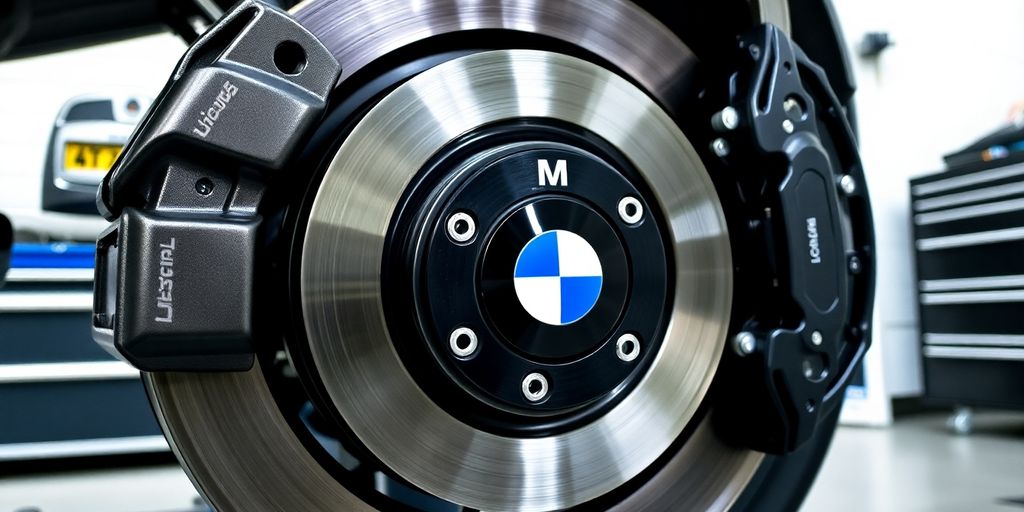
Pros and Cons of DIY Brake Repair
When it comes to fixing your BMW’s brakes, many car owners wonder if they should tackle the job themselves or hire a professional. Here are some pros and cons to consider:
Pros:
- Cost Savings: Doing it yourself can save you money on labor costs.
- Learning Experience: You gain valuable skills and knowledge about your vehicle.
- Flexibility: You can work on your own schedule.
Cons:
- Time-Consuming: It may take longer than expected, especially if you’re inexperienced.
- Risk of Mistakes: Incorrect repairs can lead to serious safety issues.
- Lack of Tools: You might not have the right tools for the job.
When to Seek Professional Help
Sometimes, it’s best to leave brake repairs to the experts. Here are situations when you should consider professional help:
- Complex Issues: If the problem involves multiple components, like the brake caliper or master cylinder.
- Safety Concerns: If you notice any warning signs, such as a spongy brake pedal or grinding noises.
- Lack of Experience: If you’re unsure about your ability to perform the repair correctly.
Cost Comparison: DIY vs. Professional
Here’s a quick comparison of costs:
| Repair Type | DIY Cost Estimate | Professional Cost Estimate |
|---|---|---|
| Brake Pad Replacement | $50 – $100 | $150 – $300 |
| Brake Rotor Replacement | $100 – $200 | $300 – $600 |
| Brake Fluid Change | $20 – $50 | $50 – $100 |
In many cases, while DIY may seem cheaper, the potential for mistakes can lead to higher costs down the line.
Remember: Regular brake inspections are crucial. If you’re unsure, consult a professional mechanic to avoid costly mistakes. The Garage in Colorado Springs offers expert BMW repair services, ensuring your vehicle is in safe hands.
Signs You Need BMW Brake Repair
Warning Signs of Brake Problems
If you notice any unusual sounds or behaviors from your brakes, it’s time to pay attention. Ignoring these signs can lead to serious issues. Here are some common warning signs:
- Squealing or grinding noises when you apply the brakes.
- A soft or spongy brake pedal that feels different than usual.
- Vibrations or pulsations when braking, which can indicate warped rotors.
How to Perform a Brake Inspection
To ensure your brakes are in good shape, you can perform a simple inspection:
- Check the brake fluid level in the reservoir.
- Look for any visible wear on the brake pads and rotors.
- Test the brake pedal for firmness and responsiveness.
What to Do If You Notice Issues
If you experience any of the above signs, it’s crucial to act quickly. Here’s what you should do:
- Schedule a professional inspection as soon as possible.
- Avoid driving your BMW until the brakes are checked.
- Keep a record of any symptoms to share with your mechanic.
Regular brake maintenance is essential for your safety and the longevity of your vehicle. Don’t wait until it’s too late!
Maintaining Your BMW Brakes
Routine Brake Maintenance Tips
Regular maintenance of your BMW’s brakes is crucial for safety and performance. Here are some essential tips:
- Check brake fluid levels monthly and replace it every two years or 20,000 miles.
- Inspect brake pads, rotors, and calipers for wear every 10,000 miles.
- Listen for any squealing or grinding noises, which often indicate that brake pads or rotors need replacing.
How Often to Replace Brake Pads and Rotors
To keep your BMW in top shape, consider the following replacement intervals:
| Component | Replacement Interval |
|---|---|
| Brake Pads | Every 30,000 – 70,000 miles |
| Brake Rotors | Every 50,000 – 70,000 miles |
| Brake Fluid | Every 2 years or 20,000 miles |
The Role of Brake Fluid in Brake Performance
Brake fluid is vital for your BMW’s braking system. It transfers force from the brake pedal to the brakes themselves. Low brake fluid levels can lead to brake failure, so always keep an eye on it.
Regular brake maintenance is essential for ensuring your BMW stops safely and effectively. Don’t wait for problems to arise; proactive care is key.
By following these guidelines, you can help ensure that your BMW’s brakes remain reliable and effective, enhancing your overall driving experience. Remember, the importance of maintaining a BMW cannot be overstated, as it ensures optimal performance and safety on the road.
Finding Expert BMW Brake Repair Near You
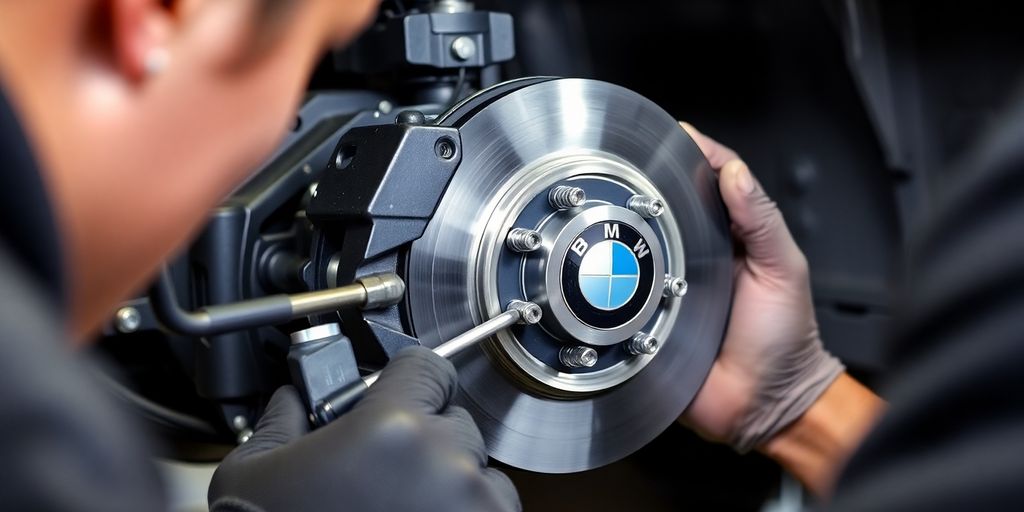
When it comes to keeping your BMW in top shape, finding the right brake repair service is essential. This guide provides comprehensive information on locating the best BMW brake repair services in your area. Here are some tips to help you:
Top BMW Brake Repair Shops in Your Area
- Look for shops that specialize in BMWs.
- Check for certifications and experience.
- Read customer reviews to gauge service quality.
Customer Reviews and Testimonials
- Positive reviews can indicate reliable service.
- Look for testimonials that mention specific services.
- Consider ratings on platforms like Google or Yelp.
How to Choose the Best Local Service
- Research local options: Use online resources to find nearby shops.
- Ask for recommendations: Friends or family may have good suggestions.
- Visit the shop: A quick visit can help you assess cleanliness and professionalism.
Finding a trustworthy repair shop can save you time and money in the long run.
By following these steps, you can ensure that your BMW receives the best care possible, keeping it safe and reliable on the road. Remember, regular maintenance and timely repairs are key to your vehicle’s longevity!
The Importance of Quality Brake Parts
When it comes to your BMW, the quality of brake parts is crucial for safety and performance. Using the right components can make a significant difference in how well your brakes function. Here’s why it matters:
OEM vs. Aftermarket Brake Parts
- OEM (Original Equipment Manufacturer) parts are made by the same company that produced your car’s original parts. They often provide better fit and reliability.
- Aftermarket parts can be cheaper but may not always meet the same quality standards. It’s essential to research and choose wisely.
- Consider the warranty and support that comes with each option.
How to Choose the Right Brake Pads
- Material: Look for pads made from high-quality materials like ceramic or semi-metallic for better performance.
- Compatibility: Ensure the pads are designed specifically for your BMW model.
- Reviews: Check customer feedback to gauge reliability and performance.
The Impact of Quality on Brake Performance
- High-quality brake parts can lead to:
- Improved stopping power
- Reduced noise and vibration
- Longer lifespan of brake components
Remember, investing in quality brake parts not only enhances your vehicle’s performance but also ensures your safety on the road. Regular maintenance and inspections are key to keeping your BMW in top shape.
In summary, choosing the right brake parts is essential for maintaining your BMW’s braking system. Prioritize quality to ensure safety and performance on the road. Quality brake parts are a must for your BMW.
Final Thoughts on BMW Brake Repair
In conclusion, taking care of your BMW’s brakes is essential for your safety and the car’s performance. By following the tips in this guide, you can keep your brakes in great shape and avoid costly repairs later on. Remember to check your brake fluid, pads, and rotors regularly. If you notice any strange noises or feel your brakes acting differently, don’t hesitate to get help from a professional. With the right care and attention, your BMW will continue to run smoothly for years to come. So, whether you choose to do some maintenance yourself or seek expert help, your BMW deserves the best!
Frequently Asked Questions
What are the main parts of a BMW brake system?
A BMW brake system typically includes brake pads, rotors, calipers, and brake fluid. Each part plays a role in making sure your car stops safely.
How do I know if my BMW brakes need repair?
Look for signs like squeaking or grinding noises, a soft brake pedal, or if your car pulls to one side when you brake. These can mean it’s time for a check-up.
Is it better to repair my brakes myself or hire a professional?
While DIY repairs can save money, it’s often safer to hire a professional. They have the right tools and knowledge to fix complex issues.
How often should I have my BMW brakes inspected?
It’s a good idea to have your brakes checked at least once a year or every 10,000 miles to ensure they are working properly.
What should I ask my mechanic before getting brake repairs?
Ask about their experience with BMWs, what parts they use, and how long the repairs will take. This helps you make an informed decision.
What are OEM brake parts, and are they better than aftermarket?
OEM parts are made by the car’s manufacturer, while aftermarket parts are made by other companies. OEM parts are often seen as higher quality, but some aftermarket parts can also be reliable.