

If you’re a BMW owner, you might have heard about the FRM module, which controls various lighting and window functions in your car. When these modules fail, it can be quite a hassle. Luckily, finding reliable BMW FRM module repair near me is easier than you think. In this article, we’ll cover everything from understanding what an FRM module is to how to find the best local repair services or even mail-in options. Let’s get started!
Key Takeaways
- The FRM module is essential for controlling lights and windows in your BMW.
- Common issues with FRM modules include malfunctioning lights and window problems.
- Local repair shops often provide quicker service compared to mail-in options.
- Diagnostic testing is crucial for identifying the exact issue with your FRM module.
- Regular maintenance can help prevent FRM module failures in the future.
Understanding BMW FRM Modules
What Is a BMW FRM Module?
Okay, so what exactly is this FRM thing everyone keeps talking about? Well, the BMW Footwell Module, or FRM, is basically a small computer in your car. It controls a bunch of stuff, mostly related to the exterior lighting and some interior functions. Think of it as the brain for your lights, windows, and maybe even your mirrors. If something goes wrong with the FRM, you might suddenly find that your headlights are acting up, or your power windows aren’t working. It’s not fun, trust me.
Common Issues with FRM Modules
FRM modules aren’t exactly known for their reliability. They can fail for a bunch of reasons, and when they do, it’s usually pretty obvious. Here are some common problems:
- Lights flickering or not working at all.
- Power windows refusing to cooperate.
- Central locking acting strange.
- Communication errors with other car systems.
Sometimes, these issues pop up after a jump start or a software update. It’s like the FRM just gets confused and gives up. I’ve heard stories of people trying to fix it themselves and making things even worse. So, yeah, it’s a delicate piece of equipment.
Importance of Proper Repair
When your FRM goes haywire, you might be tempted to ignore it, especially if it’s just a minor inconvenience. But trust me, that’s a bad idea. A faulty FRM can cause all sorts of electrical gremlins, and it can even affect your car’s safety systems. Plus, if you let it go for too long, it could damage other components. Getting it fixed properly is important, and that means finding someone who knows what they’re doing. You don’t want some random mechanic messing around with your car’s computer system. Finding reliable BMW FRM repairs is key to keeping your car running smoothly and safely.
Ignoring FRM issues can lead to bigger problems down the road. It’s better to address them early to prevent further damage and ensure your car’s systems are functioning correctly.
Local Repair Services for BMW FRM Modules
Finding Reliable Technicians
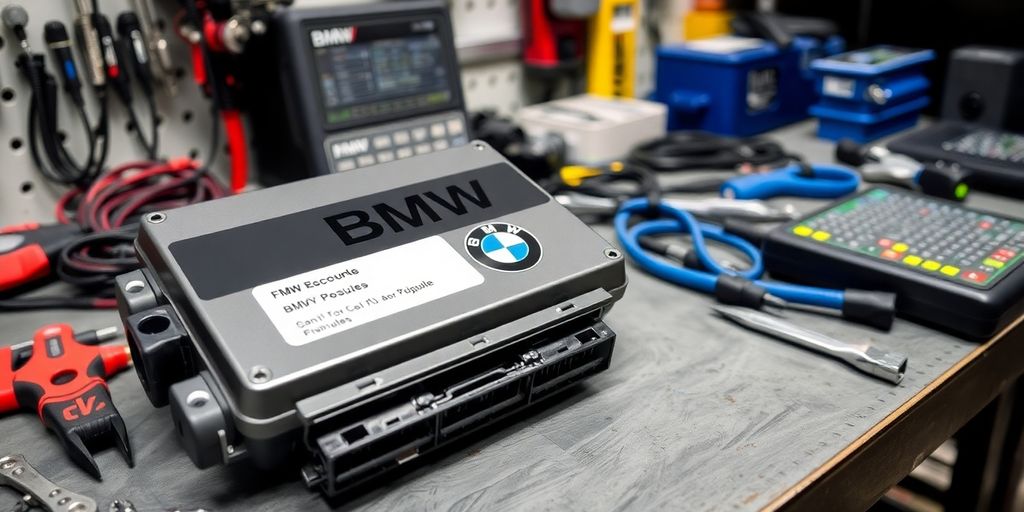
Okay, so your BMW’s acting up, and you suspect it’s the FRM module. Finding someone trustworthy to fix it is important. Start by asking around. Word-of-mouth is still a great way to find good mechanics. Check online forums specifically for BMW owners; people often share their experiences with local shops. Look for shops specializing in European cars, as they’re more likely to have the right tools and knowledge. Don’t be afraid to call around and ask about their experience with FRM modules. A good shop will be upfront and explain the process clearly. Also, verify if they offer BMW FRM3 Footwell Module repair.
Benefits of Local Repair Shops
There are some real advantages to using a local repair shop. First, it’s convenient. You can drop off your car and pick it up without the hassle of shipping. Second, you can talk to the mechanic face-to-face, which can help you feel more confident in their work. If something goes wrong, it’s easier to go back and address the issue. Plus, you’re supporting a local business, which is always a good thing. Here’s a quick list of benefits:
- Personal interaction with the mechanic
- Faster turnaround time compared to mail-in services
- Easier to address any post-repair issues
Comparing Local vs. Mail-In Services
Deciding between a local shop and a mail-in service for your FRM repair? It really depends on your situation. Local shops offer convenience and personal interaction, but they might be pricier. Mail-in services can be cheaper, but you’re without your car for longer. Here’s a quick comparison:
| Feature | Local Repair Shop | Mail-In Service |
|---|---|---|
| Cost | Higher | Lower |
| Turnaround Time | Faster | Slower |
| Communication | Direct | Remote |
| Convenience | High | Medium |
Ultimately, the best choice depends on your budget, how quickly you need your car back, and how comfortable you are with shipping your FRM module. If you value personal service and a quick fix, local is the way to go. If you’re looking to save money and don’t mind waiting, mail-in might be a better option.
Mail-In Repair Options for BMW FRM Modules
How Mail-In Repairs Work
Okay, so your BMW’s FRM module is acting up, and you’re exploring options. Mail-in repair services are actually pretty straightforward. First, you carefully remove the FRM module from your car. It’s usually located in the footwell area, hence the name. Then, you package it securely and ship it off to the repair service. The repair shop will then diagnose the issue, perform the necessary repairs, and send the module back to you. Once you receive it, you simply reinstall it in your BMW. Some services, like The ECU Pro, even offer a plug-and-play solution, meaning no additional coding is needed.
Advantages of Mail-In Services
Mail-in services can be a lifesaver, especially if you don’t have a trustworthy local mechanic nearby who specializes in BMWs. Here’s a few reasons why people choose this route:
- Convenience: You don’t have to drive your car to a shop or wait around while it’s being repaired. You can remove the module at your own pace and ship it when you’re ready.
- Wider Selection: You’re not limited to local shops. You can choose from a wider range of repair services, potentially finding one with more experience or better pricing.
- Specialized Expertise: Some mail-in services specialize specifically in FRM module repairs. They have the tools and knowledge to diagnose and fix problems that a general mechanic might miss.
Mail-in repair services offer a convenient alternative to local shops, especially for those who prefer to handle the removal and installation themselves. This can save time and money, while still ensuring a high-quality repair.
Cost Considerations for Mail-In Repairs
Alright, let’s talk money. The cost of mail-in FRM module repair can vary depending on the extent of the damage and the repair service you choose. Here’s a breakdown of what to consider:
- Diagnostic Fee: Some services charge a diagnostic fee to assess the problem. However, this fee is often deducted from the final repair cost if you proceed with the service.
- Repair Cost: This is the main cost and depends on the specific repairs needed. Simple repairs will be cheaper than more complex ones.
- Shipping Costs: Don’t forget to factor in the cost of shipping the module to the repair service and back to you. Some services include return shipping in their price.
Here’s a rough estimate of potential costs:
| Item | Estimated Cost |
|---|---|
| Diagnostic Fee | $50 – $100 |
| Repair Cost | $150 – $400+ |
| Shipping | $20 – $50 |
Remember to get a quote from the repair service before sending in your module to avoid any surprises. Also, ask about warranty options to protect yourself in case the module fails again after the repair. Getting a BMW Footwell Module repair doesn’t have to break the bank.
Diagnostic Testing for BMW FRM Modules
Importance of Diagnostic Testing
Diagnostic testing is super important when you’re dealing with a wonky BMW FRM module. Basically, you can’t fix what you don’t understand, right? A proper diagnosis pinpoints the exact problem, saving you from throwing parts at the car and hoping something sticks. It’s like going to the doctor; they don’t just start operating without figuring out what’s wrong first. This step helps determine if you need a simple BMW Footwell Module repair or something more involved.
What to Expect During Testing
So, what happens during diagnostic testing? Here’s the lowdown:
- Initial Scan: Technicians use specialized tools to read error codes stored in the FRM.
- Visual Inspection: They’ll check for physical damage, like corrosion or burnt components.
- Software Check: They verify the FRM’s software version and look for potential software glitches.
- Component Testing: Individual components within the FRM might be tested to see if they’re functioning correctly.
Diagnostic testing usually takes about an hour or two, depending on the complexity of the issue. The shop will connect your car to their diagnostic computer and run a series of tests. Don’t be surprised if they ask you questions about the symptoms you’ve been experiencing. The more information you can provide, the better.
Interpreting Diagnostic Results
Okay, you’ve got the diagnostic results. Now what? Understanding these results is key. The report will likely list a bunch of error codes. Each code corresponds to a specific problem. For example, a code might indicate a problem with the headlights, the windows, or the central locking system. The technician should explain what each code means and how it relates to the symptoms you’ve noticed. They should also outline the recommended course of action, whether it’s a repair, a replacement, or a software update.
Here’s a simplified example of how diagnostic results might be presented:
| Error Code | Description | Possible Solution |
|---|---|---|
| A123 | Headlight Control Failure | FRM Repair/Replacement |
| B456 | Window Regulator Malfunction | Check Window Motor |
| C789 | Central Locking System Error | Inspect Door Lock Actuators |
Cost Factors in BMW FRM Module Repair
Typical Repair Costs
Okay, so you’re probably wondering how much this whole FRM repair thing is going to set you back. Honestly, it varies. A simple re-flash might be on the lower end, while a full replacement can definitely hit your wallet harder. Generally, you might see prices ranging from a couple hundred bucks to upwards of a thousand, depending on the complexity of the issue and whether you go for a repair or a replacement. It’s always a good idea to get a few quotes to compare.
Factors Affecting Repair Prices
Several things can influence the final cost of your BMW FRM module repair. These include:
- The extent of the damage: Minor software glitches are cheaper to fix than a completely fried module.
- The type of service: Repairing your existing module is often cheaper than replacing it with a new one. However, sometimes repair isn’t an option.
- The shop you choose: Dealerships tend to be pricier than independent shops specializing in BMWs. Mail-in services can sometimes offer FRM repairs at a lower cost.
- The cost of parts: If replacement parts are needed, their price will factor into the overall cost. Aftermarket parts might be cheaper, but OEM (Original Equipment Manufacturer) parts are generally recommended for reliability.
It’s worth noting that some issues might seem like FRM problems but are actually related to other electrical components. A proper diagnosis is key to avoiding unnecessary repairs and costs.
Understanding Warranty Options
Before you commit to any repair, it’s smart to ask about warranty options. A good warranty can save you money and stress down the road. Some repair shops offer warranties on their work, covering parts and labor for a certain period. Also, check if your BMW’s original warranty or any extended warranty you purchased covers FRM module issues. Understanding the warranty terms can help you make an informed decision and protect yourself from future expenses.
Customer Reviews and Testimonials
Importance of Customer Feedback
When you’re dealing with something as important as your car’s electronics, you want to be sure you’re making the right choice. That’s where customer reviews come in. They give you a real-world look at other people’s experiences. Think of them as a way to ‘try before you buy,’ but with repair services. It’s not just about finding the cheapest option; it’s about finding a service you can trust.
Where to Find Reviews
Okay, so you know you need reviews, but where do you find them? Here are a few places to start:
- Google Reviews: A quick search for the repair shop’s name will usually bring up their Google listing, complete with star ratings and written reviews.
- Yelp: Yelp is another popular platform for local business reviews. You might find some hidden gems (or red flags) here.
- BBB (Better Business Bureau): The BBB can give you insight into a company’s complaint history and overall rating. It’s a good place to check for legitimacy.
- Forums: BMW enthusiast forums often have threads discussing repair experiences. Search for the shop’s name or ask for recommendations. People love to share their experiences, good or bad.
How to Evaluate Repair Services
So, you’ve found a bunch of reviews. Now what? It’s time to put on your detective hat and start evaluating. Don’t just look at the star rating; read the actual reviews. Look for patterns. Do people consistently praise the shop’s communication? Do they complain about hidden fees? Pay attention to how the shop responds to negative reviews. A professional response can be a good sign, even if the customer wasn’t happy. Also, keep an eye out for reviews that mention specific BMW FRM module repair issues similar to yours. Real experiences are the most helpful.
It’s easy to get overwhelmed by a ton of reviews, but try to focus on the most recent ones. Things can change quickly in the repair world. A shop that was great five years ago might not be so great today, and vice versa. Look for trends and recent feedback to get the most accurate picture.
Tips for Maintaining Your BMW FRM Module
Regular Maintenance Practices
Keeping your BMW’s Footwell Module (FRM) in good shape doesn’t require a ton of effort, but a little attention can save you from headaches down the road. Think of it like this: a little preventative care is way better than a big, expensive repair. Here’s what I’ve learned:
- Battery Health: A weak battery can cause voltage drops, which can mess with the FRM. Make sure your battery is always in good condition. Regular checks are a must.
- Software Updates: Keep your BMW’s software updated. Updates often include fixes and improvements that can help the FRM run smoothly. Check for updates during your regular service appointments.
- Avoid Jump Starts: Jump-starting your car can sometimes send voltage spikes through the system, potentially damaging the FRM. If you need a jump, be super careful or call for professional assistance.
Signs Your FRM Needs Attention
Okay, so how do you know if your FRM is acting up? Here are some things I’ve noticed that can be warning signs:
- Lighting Issues: If your headlights, taillights, or interior lights are behaving strangely (flickering, not turning on, staying on), it could be the FRM.
- Window and Mirror Problems: If your power windows or mirrors stop working, that’s another potential sign.
- Central Locking Malfunctions: Issues with locking or unlocking your doors can also point to FRM problems.
If you notice any of these issues, don’t ignore them. Get your car checked out by a qualified BMW technician as soon as possible. Early detection can prevent more serious damage.
Preventative Measures to Avoid Issues
So, what can you do to keep your FRM happy and healthy? Here are a few preventative measures I’ve found helpful:
- Regular Diagnostics: Have your BMW’s systems checked regularly, especially if you notice anything unusual. A diagnostic scan can catch potential problems early.
- Proper Coding: If you’re making any modifications to your car’s electrical system, make sure they’re done by someone who knows what they’re doing. Incorrect coding can really mess with the FRM.
- Avoid Water Damage: Water can cause all sorts of electrical problems. Make sure your car’s interior stays dry, and address any leaks promptly. Consider a BMW locksmith for specialized services.
By following these tips, you can help keep your BMW’s FRM in good working order and avoid costly repairs. It’s all about being proactive and paying attention to the signs.
Wrapping It Up
Finding a trustworthy place for BMW FRM module repair doesn’t have to be a hassle. Whether you choose to mail in your module or look for local services, there are options that can fit your needs. Just remember to check reviews and ask questions before you commit. It’s all about getting your BMW back in top shape without breaking the bank. So, take a moment, do your research, and you’ll be back on the road in no time.
Frequently Asked Questions
What is a BMW FRM Module?
The BMW FRM Module, or Footwell Module, controls lighting and other functions in your car. It helps manage things like headlights, door lights, and windows.
What problems can occur with FRM Modules?
Common issues include lights not working, windows not responding, or the car having trouble starting. These problems can make driving unsafe.
Why is it important to repair the FRM Module properly?
Fixing the FRM Module correctly is crucial because it ensures your car’s electrical systems work safely and efficiently.
How can I find local repair services for my BMW FRM Module?
You can search online for local auto repair shops or ask friends for recommendations. Look for shops that specialize in BMW repairs.
What are the benefits of local repair shops compared to mail-in services?
Local shops allow for faster service and personal interaction. You can talk directly to the technician about your car’s issues.
How can I maintain my BMW FRM Module to avoid problems?
Regularly check the electrical system, keep connections clean, and pay attention to any warning lights on your dashboard.