

Expert Tips for BMW Amplifier Repair: Restore Your Sound System Today!
Ever had your favorite song cut out while driving your BMW? It might be your amplifier acting up. BMW amplifier repair isn’t just about getting your music back—it’s about understanding what’s gone wrong and how to prevent it in the future. Whether it’s water damage or loose connections, tackling these issues head-on can save you from costly replacements. Let’s dive into some expert tips that will guide you through diagnosing, repairing, and even upgrading your BMW sound system.
Key Takeaways
- Understanding common symptoms of amplifier failure can help diagnose issues early.
- Water damage is a frequent culprit in amplifier problems; ensure your amp is protected.
- The MOST bus system plays a critical role in your BMW’s audio functionality.
- Deciding between repair and replacement depends on the extent of the damage and cost.
- Regular maintenance and smart upgrades can prevent future audio system failures.
Understanding BMW Amplifier Issues
Common Symptoms of a Failing Amplifier
If your BMW’s sound system suddenly starts acting up, the amplifier might be the culprit. Buzzing or crackling noises from the speakers, or the audio cutting out entirely, can indicate a failing amp. Sometimes, you might notice changes in sound quality when adjusting the volume or dimming the interior lights. These are telltale signs that something’s not right with your amplifier.
Identifying Water Damage in Amplifiers
Water damage is a sneaky enemy of car amplifiers. It can cause corrosion on the circuit board, leading to intermittent sound issues or complete failure. Check for any signs of moisture in the amp compartment, especially after heavy rain or car washes. If you spot any dampness or rust, it’s crucial to address this promptly to prevent further damage.
The Role of the MOST Bus in Audio Systems
The MOST (Media Oriented Systems Transport) bus is like the nervous system of your BMW’s audio setup. It connects different components, ensuring they communicate effectively. If there’s a problem with the MOST bus, it can affect the entire sound system, making it seem like the amplifier is at fault when it might not be. Understanding how the MOST bus works can help in diagnosing audio issues accurately.
Diagnosing Your BMW Amplifier Problem
Using Diagnostic Tools Effectively
Diagnosing issues with your BMW amplifier often starts with the right tools. A good diagnostic tool can provide insights into what might be wrong. OBD-II scanners are often used to read error codes, but for audio systems, you might need a specialized tool. These can help pinpoint problems within the amplifier or other parts of the audio system. When using these tools, make sure your car’s battery is fully charged to avoid any interruptions.
Checking for Loose Connections
Loose connections can be a common culprit for audio issues. Before diving into more complex diagnostics, check all the connections to your amplifier. Ensure that the wiring harness is securely attached and that there are no visible signs of wear or corrosion. A simple reconnection can sometimes resolve issues like intermittent sound or complete audio loss.
Interpreting Error Codes
Error codes can be confusing but are essential for diagnosing your BMW amplifier. Each code corresponds to a specific issue within the system. For example, a code might indicate a problem with the MOST bus, which can affect audio performance. Having a reference guide or manual can help you understand what each code means and guide you towards a solution. If you’re not comfortable interpreting these codes, it might be worth consulting a professional to avoid misdiagnosis.
Repairing Your BMW Amplifier
Choosing Between Repair and Replacement
When your BMW amplifier starts acting up, you have two main paths: repair or replacement. Repairs can be a cost-effective solution if the damage isn’t extensive. Sending your amp to a specialist who knows BMW’s Logic7 systems might save you some cash. On the flip side, if the amp is beyond repair, finding the exact part number for a replacement is crucial. Remember, used amps often need coding to work with your car.
Finding a Reliable Repair Service
Locating a trustworthy repair service can be tricky. Look for specialists in BMW electronics, as they understand the nuances of these amplifiers. Check reviews and ask for recommendations. Some services offer mail-in repairs, which can be convenient if local options are limited.
DIY Repair Tips for Enthusiasts
For those who love a good project, repairing your BMW amplifier yourself is possible. Here are a few tips:
- Gather the right tools: You’ll need a multimeter, soldering iron, and some basic electronic repair tools.
- Diagnose the issue: Check for obvious signs of damage like burnt components or corrosion.
- Follow online guides: Plenty of forums and videos can walk you through common repairs.
Tinkering with your amp can be rewarding, but it’s not for everyone. If you’re unsure, it might be best to leave it to the pros.
Consider upgrading your BMW’s sound system with a complete audio upgrade kit for a significant boost in sound quality. This can be a great alternative if repairs seem too daunting or costly.
Preventing Future Amplifier Failures
Protecting Your Amplifier from Water Damage
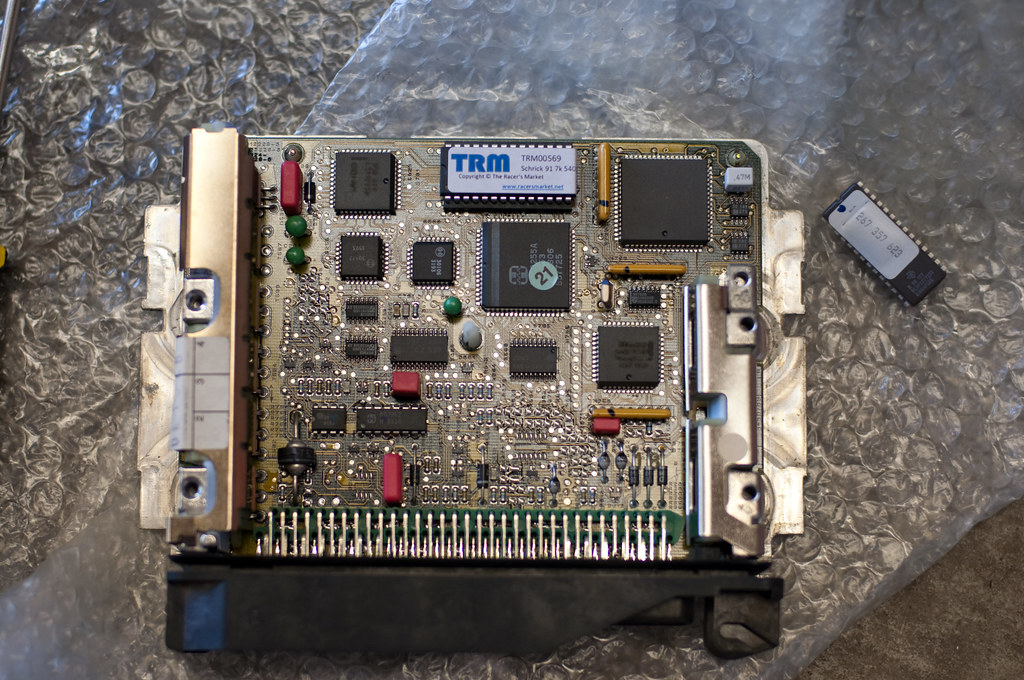
Water is the enemy of electronics. For BMW amplifiers, water damage is a common culprit behind many failures. Ensure your amp stays dry by regularly checking for leaks in your vehicle. Pay close attention to the trunk area, especially if you have aftermarket installations that might compromise the car’s seals. If you do find water, dry it out immediately and inspect for any signs of rust or corrosion.
Regular Maintenance Tips
Keeping your amplifier in tip-top shape requires some routine checks:
- Inspect Wiring: Make sure all connections are tight and free from corrosion. Loose wires can cause intermittent issues.
- Clean Contacts: Use a contact cleaner to remove any build-up on the connectors.
- Check Ventilation: Ensure that the amplifier is not overheating by checking that its vents are clear of dust and debris.
Understanding the Impact of Aftermarket Modifications
Modifying your BMW’s audio system can enhance your listening experience, but it can also introduce new risks. Aftermarket parts may not fit perfectly, potentially leading to water ingress or electrical shorts. If you’re going this route, make sure to use quality parts and perhaps consult with a professional to avoid any pitfalls.
Regular checks and preventive measures can save you from costly repairs down the road. Keep your sound system in check, and enjoy the music without a hitch.
Upgrading Your BMW Sound System
Exploring Modern Head Unit Options
If you’re thinking about giving your BMW’s sound system a facelift, the first step is looking into modern head units. These are not just about better sound quality but also about integrating new tech like Bluetooth, GPS, and smartphone connectivity. A new head unit can breathe life into your car’s interior, making it feel fresh and up-to-date. Here’s a quick list of features to consider:
- Touchscreen Display: Easier navigation and control.
- Bluetooth Connectivity: For hands-free calls and music streaming.
- Built-in GPS: Helps with navigation without needing your phone.
Integrating New Technology with Old Systems
Integrating new tech with an older BMW system can be tricky. You want to avoid compatibility issues while enjoying modern features. It’s all about finding the right balance. Here are some tips:
- Check Compatibility: Ensure the new tech works with your existing system.
- Professional Installation: Sometimes it’s better to let a pro handle it to avoid mishaps.
- Consider Adaptors: These can bridge the gap between old and new tech.
Upgrading doesn’t mean you have to throw away the old system. With the right approach, you can enjoy the best of both worlds.
Cost-Effective Upgrades for Better Sound
You don’t need to break the bank to upgrade your sound system. There are plenty of cost-effective ways to improve sound quality:
- Speaker Replacement: Swapping out old speakers for new ones can make a big difference.
- Adding a Subwoofer: Boosts the bass and overall sound depth.
- Soundproofing: Reduces road noise and enhances audio clarity.
Remember, it’s not just about spending money; it’s about making smart choices to get the best sound for your buck. If you’re diving into the world of sound system upgrades, make sure you remove the driver’s side cubby cover to access the necessary areas for installation. Happy upgrading!
Coding and Compatibility Considerations

Understanding BMW’s Coding Requirements
When you’re fiddling with your BMW’s sound system, coding is a big deal. Coding is like teaching your car’s computer how to talk to new parts. It involves setting up software configurations so that everything works smoothly. BMWs, especially models with advanced tech, often require specific coding to integrate new components like amplifiers or head units. Without proper coding, you might face issues like missing features or even a non-functional audio system.
Ensuring Compatibility with Your Vehicle
Before you rush into upgrades, it’s crucial to make sure the new parts are compatible with your BMW model. Not all components will play nice with every car. For instance, swapping out the TCU for a MULF2 can bring back sound immediately, but you might lose features like Bluetooth unless it’s coded correctly. Always double-check compatibility to avoid headaches down the line.
Avoiding Common Coding Mistakes
Coding isn’t just plug-and-play. Mistakes are easy to make, especially if you’re new to it. Here’s a quick list to keep you on track:
- Backup your original settings before making any changes. If things go south, you’ll have a safety net.
- Use reliable software designed for BMWs. Generic tools might not cover all the nuances.
- Double-check the coding instructions for your specific model. A small error can lead to big issues.
Always remember, when dealing with BMW coding, patience is key. Rushing through can lead to more problems than solutions.
In summary, while it might seem daunting, getting the coding right is essential for a seamless sound system experience. And if you’re considering a complete audio upgrade, check out the complete audio upgrade kit for that studio-quality sound you’ve been dreaming of.
Troubleshooting Common Audio Issues
Dealing with Intermittent Sound Loss
Have you ever been cruising down the road, jamming to your favorite tunes, and suddenly the sound just cuts out? Yeah, it’s annoying. Intermittent sound loss can stem from a variety of issues, from loose connections to more serious internal problems. One common culprit is the amplifier. If your amp has previous water damage or corrosion, it might intermittently lose connection.
- Check all connections: Ensure that every connector, especially the fiber optic ones, are snug and free of corrosion.
- Inspect the amplifier: Look for signs of water damage or corrosion. Even if it seems dry, there might be hidden issues.
- Test the MOST bus loop: This can help pinpoint if the issue lies with the amp or another component.
If these steps don’t resolve the issue, consider having a professional take a look. Sometimes, the problem can be more complex than it seems.
Addressing Head Unit Muting Problems
Ever notice your radio just goes quiet for no reason? This might be due to other devices in the car, like the Roof Function Center (FZD), which can accidentally mute the head unit.
- Check for contamination: Dust or grime in components like the FZD can trigger unwanted features like the SOS function, muting the sound.
- Inspect wiring connections: Make sure all wires are properly connected and not damaged.
- Consider the head unit: Sometimes, the head unit itself might be faulty, especially if it’s older or has been exposed to harsh conditions.
Recognizing Signs of Circuit Board Corrosion
Circuit board corrosion can be a sneaky problem. It may not always be visible, but it can seriously affect the performance of your audio system.
Corrosion can cause intermittent failures and even complete shutdown of components. If you suspect corrosion, it’s crucial to address it quickly to prevent further damage.
- Visual inspection: Look for any signs of rust or discoloration on the circuit boards.
- Professional cleaning: If you’re not comfortable cleaning the boards yourself, seek out a professional service.
- Prevent future issues: Consider using moisture barriers or keeping components in a dry environment to avoid future corrosion.
By staying on top of these common issues, you can keep your BMW’s sound system in top shape and enjoy your music without interruption.
Wrapping It Up: Your BMW Sound System Awaits
So there you have it, folks. Fixing your BMW amplifier might seem like a daunting task, but with a little patience and the right guidance, you can bring your sound system back to life. Whether you decide to send it off to a specialist or tackle the repair yourself, remember to check for any underlying issues that might have caused the problem in the first place. Water damage is a common culprit, so keep an eye out for leaks. And if you’re not feeling up to the challenge, don’t hesitate to reach out to a pro. Your favorite tunes are just a repair away!
Frequently Asked Questions
How can I tell if my BMW amplifier is broken?
If your BMW’s sound system suddenly stops working or you hear strange noises like buzzing, it might be a sign of a broken amplifier.
What should I do if my amplifier gets wet?
If water gets into your amplifier, it could cause damage. It’s important to dry it out and check for any problems before using it again.
Can I fix my BMW amplifier myself?
Yes, if you like DIY projects, you can try to fix it yourself. But if you’re not sure, it’s better to ask a professional for help.
Is it better to repair or replace a broken amplifier?
It depends on the damage. Sometimes, fixing it is cheaper, but if it’s too damaged, getting a new one might be the best choice.
How can I stop my amplifier from breaking again?
To keep your amplifier safe, make sure it stays dry and check it regularly to catch any problems early.
Do I need to code a new amplifier to my BMW?
Yes, when you get a new amplifier, it usually needs to be coded to work with your car’s system.